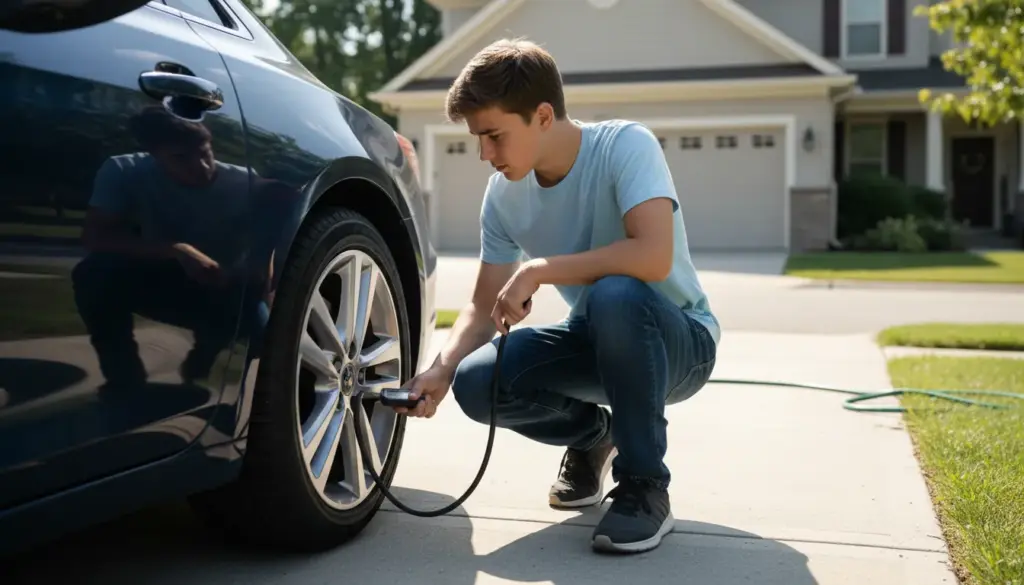
A first car feels like a ticket to freedom, but a few unglamorous checks make that freedom last much longer. Most new drivers spend months mastering roundabouts, parking and traffic signals while skipping the basics that keep a car safe from day one. Tyre pressure, hazard lights, warning symbols and fuel levels sound dull until they are the reason a trip goes wrong. A simple routine turns these small details into habits that stick for life.
In Qatar and the wider Gulf, heat, dust and fast highways add extra pressure on young drivers and their cars. A car that sits in the sun all day may have different tyre and battery needs than one parked in a cool garage. The checklist below works for a first solo drive, a school commute or a longer trip to another city. It is not about fear. It is about knowing the car well enough to hear it when it whispers before it shouts.
Before the engine starts
The first two minutes inside the car set the tone for the whole drive. Seat belt first, always, for the driver and every passenger before the gear selector moves. A phone on silent still lights up with notifications, so switch it to Do Not Disturb before pressing the start button. Then set the seat, headrest and both side mirrors while the car is still parked.
Navigation should be running before the wheels turn. Typing an address while rolling through a car park or merging onto a highway is a common and avoidable mistake. Check the fuel or charge level and glance at the instrument cluster for any active warning lights. If a symbol is unfamiliar, stop safely, open the owner’s manual and call a parent or roadside help before continuing.
Warning lights that mean stop now
Not every dashboard light deserves the same reaction. Some simply remind you about a service interval or an open door. Others mean the engine or brakes need immediate attention. A red oil pressure light, a red brake warning or a rising temperature gauge should end the trip until the problem is understood. Ignoring these can turn a small repair into a large one.
New drivers should learn which lights are urgent before they drive alone. A quick session with a parent and the owner’s manual is enough to build that knowledge. If a warning appears at speed, the driver should pull over where it is safe, turn off the engine and call for help. Guessing rarely works well on a hot Gulf motorway.
The used car buying filter
A good first car is rarely the one that looks fastest in the showroom. Reliable, midsize used cars with modest power and modern safety features make the smartest starting point. Electronic stability control is a must, and newer models often add automatic emergency braking, blind-spot warning and a reversing camera. A four-cylinder engine is plenty for a new driver.
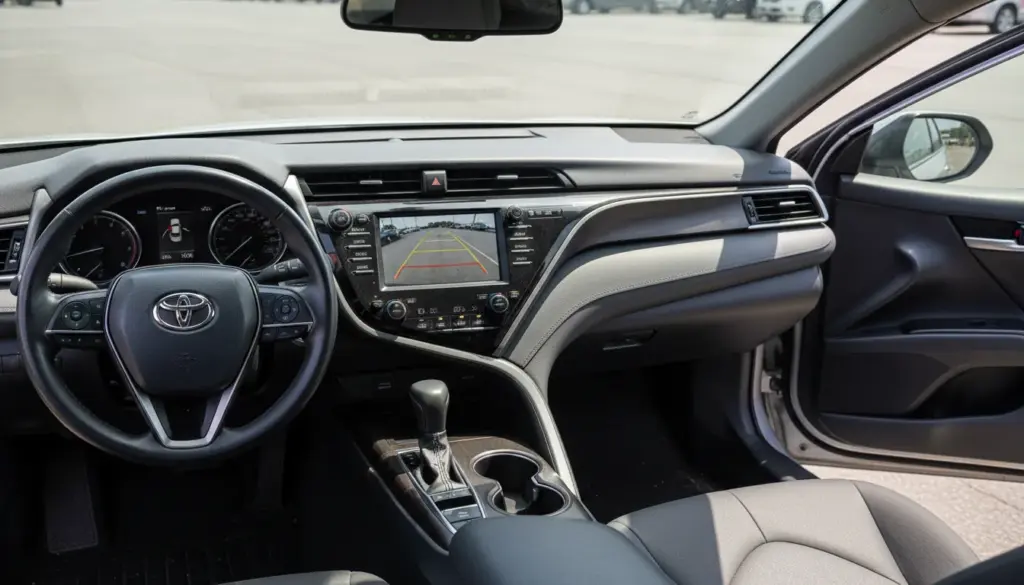
Size matters more than style. A midsize sedan or small SUV tends to feel stable on highways and easier to control than a tiny hatchback or a large truck. Before buying, check the vehicle history report for accidents, title problems and odometer issues. Ask whether any open safety recalls have been fixed, and arrange an independent pre-purchase inspection to catch what a short test drive cannot.
| Check | What to look for | Why it matters |
|---|---|---|
| Safety features | Stability control, airbags, reversing camera | Reduces crash risk and helps low-speed parking |
| Vehicle history | Accident records, title status, odometer | Reveals hidden damage or tampering |
| Tyre condition | Tread depth, cracks, pressure warning | Prevents blowouts on hot roads |
| Brakes | Pad wear, pedal feel, strange noise | Stopping distance is non-negotiable |
| Service records | Oil changes, battery age, cooling system | Shows whether the car was maintained regularly |
Parents and teens should also compare insurance costs for two or three candidate cars before committing. Less powerful, safer cars generally cost less to insure than sporty trims. A midsize sedan with a four-cylinder engine, for example, is typically more affordable to cover than a turbo performance model. A phone call to an insurance provider with the car details can give a realistic monthly figure before the purchase, not after. Getting this quote early helps families avoid a surprise bill and keeps the overall budget on track.
Tyres, lights and the walk-around habit
A two-minute walk around the car catches problems that mirrors and sensors miss. Check that all exterior lights work, including indicators and brake lights. Look at the tyres for cuts, bulges or obvious pressure loss. Clear loose items from the driver’s footwell so nothing rolls under the pedals during a turn or sudden stop.
In Gulf heat, tyre pressure changes more than many drivers expect. A tyre pressure monitoring system helps, but a manual check with a gauge remains a useful skill. Under-inflated tyres build heat quickly at highway speeds and can fail without warning. This is one of the easiest risks to reduce before every longer trip.
Emergency items that earn their space
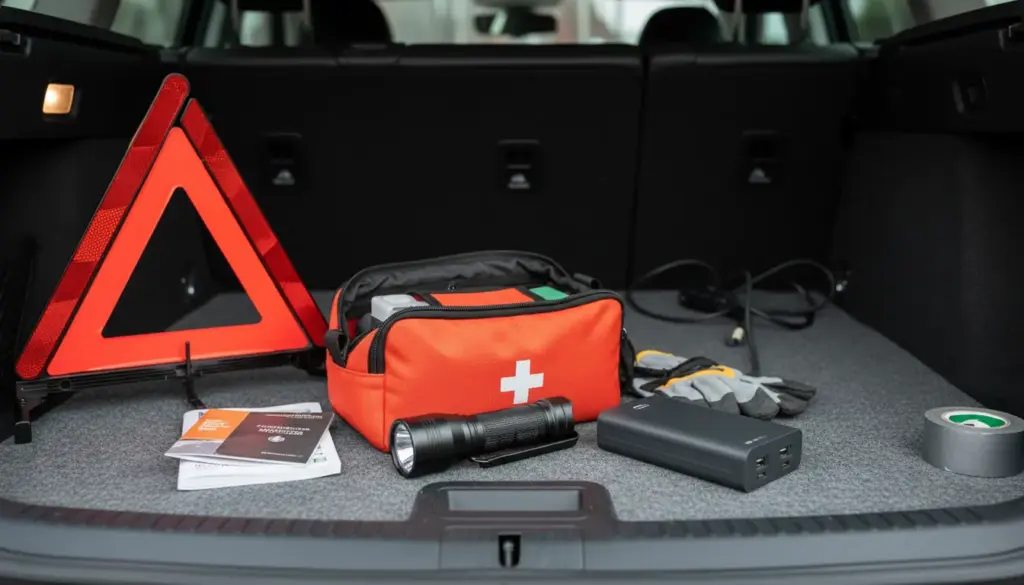
A small emergency kit does not need to fill the boot. A charged power bank, a torch, a reflective triangle and a paper list of emergency contacts are a solid start. Offline maps downloaded to the phone help when signal disappears between cities. A bottle of water and a basic first-aid kit add comfort in a hot climate.
The glovebox is also a good home for a printed emergency contact list. Phones break, batteries die and screens crack at exactly the wrong moment. Having key numbers on paper feels old-fashioned until it saves an hour of stress. These items cost little and sit quietly until the day they become the most useful things in the car.
Driver habits that outweigh gadgets
Safety technology helps, but the driver’s habits still decide most outcomes. Phone use, extra passengers, speed, night driving and bad weather remain the biggest risk areas for new drivers. Many regions have graduated licensing rules that restrict passenger numbers or late-night driving for new licence holders. Parents and teens should check the local rules before the first solo trip.
Setting the phone to Do Not Disturb before driving removes the biggest temptation. Extra passengers can turn a calm drive into a noisy one, so early solo practice should happen without a car full of friends. Speed feels exciting but leaves less time to react to a tyre blowout or a sudden stop on a busy road. Night driving and rain demand more patience and larger following distances.
Making the first trip boring and safe
The best first solo drive is uneventful. Choose a familiar route with light traffic and a simple destination. Tell a parent the plan and the expected return time. Keep the radio low or off, and focus on smooth braking, steady speed and early signalling. A boring drive is a successful drive for a new driver.
After the trip, take two minutes to note anything that felt uncertain. Maybe a roundabout exit was confusing or a warning light flickered. Talking through those moments with a parent turns small doubts into better decisions next time. The goal is not perfection on day one. It is building a routine that makes the second trip safer than the first.