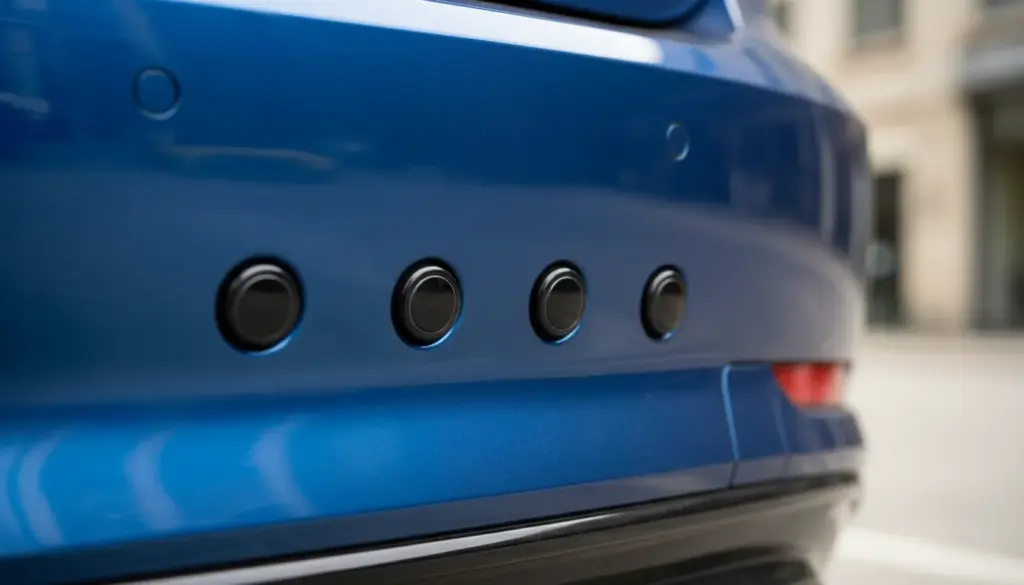
That low post behind the bumper, the bin left near the driveway, the packed shopping centre space where every centimetre counts. These are the moments when drivers of older cars start wondering if a parking sensor retrofit is really possible. The short answer is yes. In most cases, sensors can be fitted to sedans, family SUVs, utes and work vehicles without replacing the car itself. For many owners, this is one of the most practical upgrades available.
Plenty of vehicles on the road were sold without parking sensors, especially older models, base variants and used imports. That does not mean you have to live without the feature. A well-installed aftermarket system gives you the same basic benefit people expect from factory sensors. It warns you when you are getting close to an obstacle. As the gap shrinks, the alert becomes more urgent and harder to ignore.
What a Retrofit Actually Adds to the Car
Parking sensors are not just about convenience. They are about reducing avoidable damage and making the car easier to manage in tight urban spaces. A driver who can hear exactly how close the rear bumper is to a wall is less likely to nudge it. That alone can save money on paint repairs and keep an older car looking tidy. It also takes a real layer of stress out of reversing in busy apartment car parks and packed supermarket rows.
The benefit is strongest when visibility is poor. Low kerbs, short bollards and small posts often sit below the rear window line. Mirrors cannot show everything, especially at night or during a dusty afternoon. Sensors detect those hidden obstacles before the bumper reaches them. Some systems add a visual display showing distance, but the audible signal remains the core warning. The closer you get, the faster the beeps come.
| Upgrade | What it detects | Best use case | Typical alert |
|---|---|---|---|
| Rear ultrasonic sensors | Objects behind the bumper | Reversing into tight spots | Beeps that speed up |
| Front ultrasonic sensors | Objects ahead at low speed | Nose-first parking | Beeps that speed up |
| Reversing camera | Live view behind the car | Parallel parking and low visibility | On-screen guide lines |
| Electromagnetic strip | Nearby objects without visible holes | Clean bumper look | Audible warning |
Front sensors are worth considering for larger vehicles. SUVs and utes often have long bonnets that make close parking awkward. A set of front sensors can help a driver judge distance when edging toward a wall or another car. Rear sensors remain the most common starting point because reversing is where most low-speed incidents happen.
How the Sensors and Cameras Work
Most aftermarket parking sensor kits use ultrasonic sensors mounted into the bumper. These sensors send out sound waves that bounce off nearby objects. The system measures how long the sound takes to return. A short return time means the object is close. The control module then triggers a warning that grows more urgent as the distance shrinks.
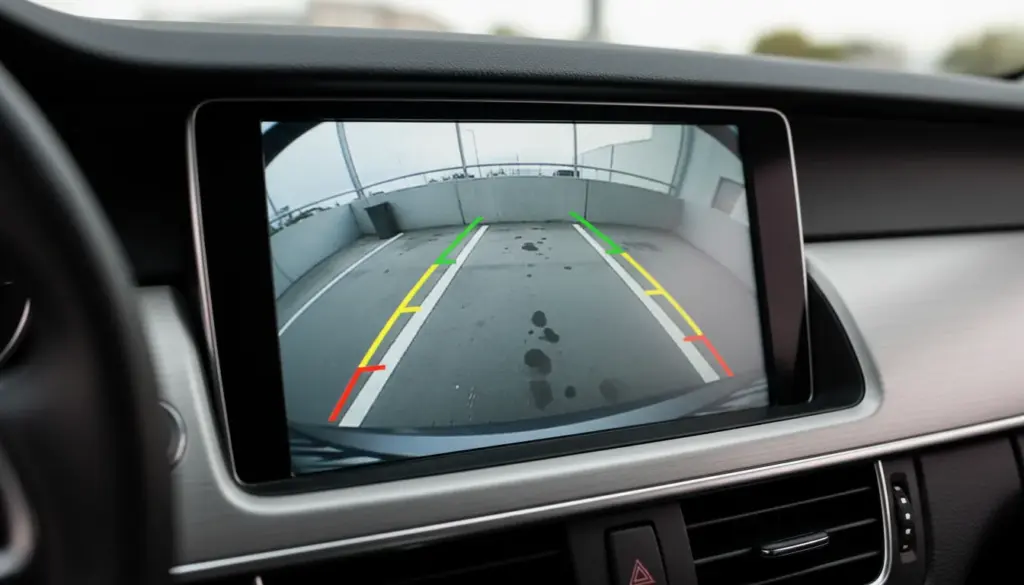
Reversing cameras work differently. A small wide-angle camera is mounted near the number plate or boot handle. When reverse gear is engaged, the camera activates and sends a live video feed to a display. Many cameras include coloured guide lines that show safe, caution and stop zones. Dynamic guidelines move as the steering wheel turns, helping the driver judge the projected path of the car.
Choosing Between Sensors and a Camera
Sensors are strong at detecting objects you cannot see. They work in rain, fog, dust and darkness without needing a clean lens. Cameras give you a real picture of what is behind the car. That picture can be obstructed by dirt, mud or heavy rain, and the camera needs reasonable lighting for a clear view. The two tools solve slightly different problems.
For many drivers, the best setup is both. Sensors provide the warning, and the camera provides the visual confirmation. Some camera systems can even detect vehicles approaching from the side while reversing out of a parking spot. That extra layer of awareness is useful in busy multi-storey car parks and narrow lanes. The choice depends on the car, the budget and the places the driver parks most often.
Fitting the Right Kit to an Older Car
Adding sensors is normally very achievable. What changes from car to car is the type of kit that suits the vehicle best, how it is mounted, and whether the owner wants rear sensors only or front and rear coverage. Some systems are designed to blend in neatly with the vehicle. When installed properly, they look clean, function reliably and feel like a natural part of the car rather than an afterthought.
Electromagnetic sensor strips are a less common option. They sit behind the bumper and detect objects without visible sensor holes. That appeals to owners who want a clean exterior look. Ultrasonic sensors are more widely used and easier to find. They require small holes in the bumper, but a careful installer can make them look factory-fitted.
What to Check Before Buying a Used Car
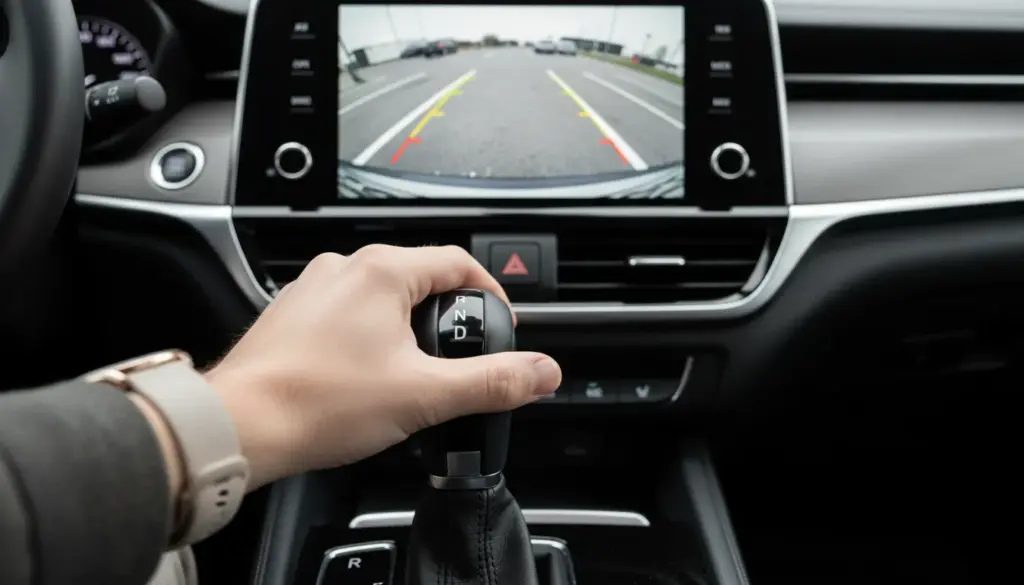
Faulty sensors and cameras are common on older cars. Always test them during a test drive. Put the car in reverse and listen for the warning beeps. Check the camera display for a clear picture and working guide lines. Walk slowly behind the car while a helper watches the display, or use a low object to test the sensor range.
A system that beeps constantly or stays silent may need attention. Camera lenses can be scratched or cloudy, and wiring can loosen over time. These are fixable issues, but they should be reflected in the price or sorted before purchase. A quick check takes minutes and can prevent a frustrating discovery after the sale.
Other Upgrades That Improve an Older Car
Parking sensors and cameras are part of a wider safety picture. Tyres are a critical factor in grip and braking. Buying the cheapest new tyre is not likely to offer the best road holding. Good-quality tyres can be the difference between avoiding a crash and getting involved in one. It is worth reading buyer reviews and choosing a set that holds the road well.
Daytime running lights are another practical addition. They stay on whenever the car is switched on and make the vehicle more visible in daylight. A study by the Monash University Accident Research Centre found that daytime running lights reduce non-night-time multi-vehicle crash involvement by 8.8 per cent. The reduction was 20.3 per cent during dawn or dusk and 13.8 per cent in speed zones greater than 75 km/h.
Making the Decision That Suits Your Driving
An older car does not have to feel outdated in daily use. Adding parking sensors changes the experience of reversing into a tight space. Adding a camera changes the confidence of parallel parking on a busy street. These are small upgrades in terms of hardware, but they make a noticeable difference every time the car is parked.
Think about where the car is driven most. If it spends evenings in a crowded apartment basement, rear sensors and a camera will earn their value quickly. If it is a large SUV used for school runs and shopping trips, front sensors help with low-speed manoeuvring. The right combination depends on the vehicle and the driver, not on the age of the car.
For families passing an older car to a new driver, these upgrades carry extra weight. A less experienced driver benefits from clear warnings and a visible rear view. The car remains the same machine underneath, but the daily stress of parking becomes far easier to manage. That is a practical way to keep an older car useful, safe and pleasant to drive for years to come.