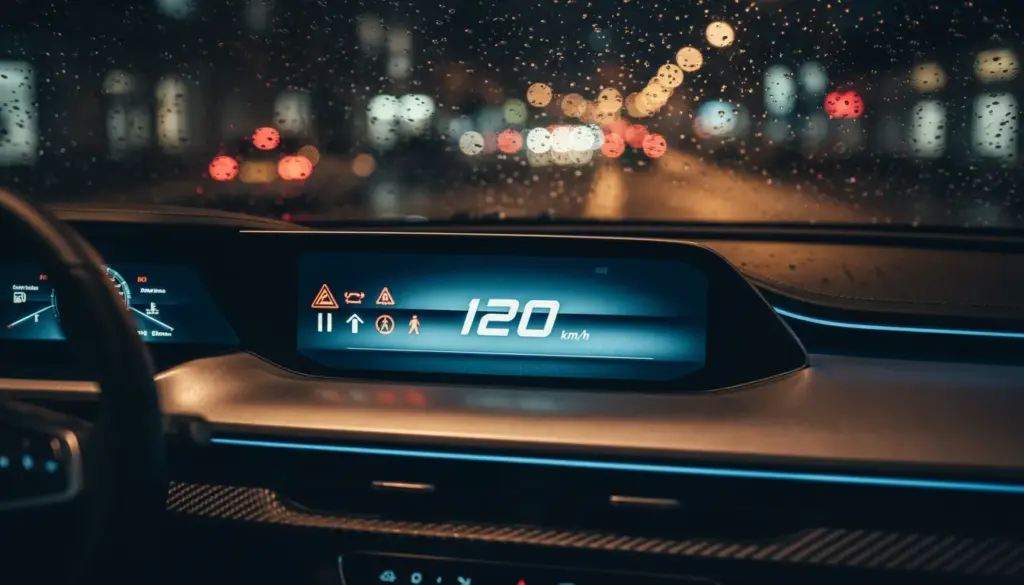
New drivers face a strange paradox. They are the most connected generation in history, yet the moment they sit behind a wheel, that connection can become a serious hazard. The good news is that car technology has quietly shifted from being part of the problem to being part of the solution. Modern vehicles now carry sensors, cameras and software that act like a calm co-pilot in the passenger seat. For families in Qatar and the wider Gulf, where long highway drives and fast-moving traffic are part of daily life, these systems matter even more.
Per mile driven, teen drivers are nearly four times as likely to crash as drivers aged twenty and older. High rates of speeding, low seat belt use, distraction and simple inexperience combine to create risk. Crash avoidance features and teen-specific vehicle technologies have the potential to prevent or reduce up to three-quarters of fatal crashes involving teen drivers, according to research from the Insurance Institute for Highway Safety. That is a huge margin of protection worth understanding.
How Built-in Safety Systems Quietly Work
Rear vision cameras are another quiet helper that many drivers now take for granted. All but the heaviest new vehicles sold in the United States have been required to include them since May 2018. The rule came after a paediatrician lost his son in a backover accident and campaigned to raise awareness of the dangerous blind spot directly behind most vehicles. For a teen reversing out of a crowded school car park or a narrow driveway, that camera feed is not a luxury. It is a second pair of eyes aimed exactly where the driver cannot see.
Systems That React Faster Than Human Reflexes
Automatic braking systems use lasers, radar or video to compare the speed of the car with the speed of objects ahead. If the difference signals a potential crash, the system automatically slows or stops the vehicle. Blind spot threat detection alerts drivers when another vehicle is approaching in the next lane but not yet visible in the mirrors. Lane maintenance alerts use video, laser or infrared sensors to warn the driver if the car drifts over the lane marking. These three features address exactly the situations where young drivers often struggle.
Teen-Specific Modes That Coach From the Dashboard
Some car makers now offer built-in systems designed specifically for new drivers. Chevrolet Teen Driver Technology, for example, lets parents set a speed alert, a volume limit and other restrictions through a PIN-protected menu. When the teen drives with a registered key, the system activates those settings automatically. It also mutes the audio while the driver and front passenger seat belts are unbuckled. The idea is not to spy on the young driver but to create a set of guardrails that encourage better decisions every single trip.
One of the most interesting features is an in-vehicle report card. After the teen parks and hands over the keys, the parent can review distance driven, maximum speed reached, stability control events, antilock brake events, forward collision alerts and forward collision avoidance braking events. The report card turns a vague conversation about driving into a specific one. Instead of saying “be careful,” a parent can point to a real moment when the car had to brake hard and ask what happened. That is coaching based on evidence, not guesswork.
Buckle to Drive and Smart Key Limits
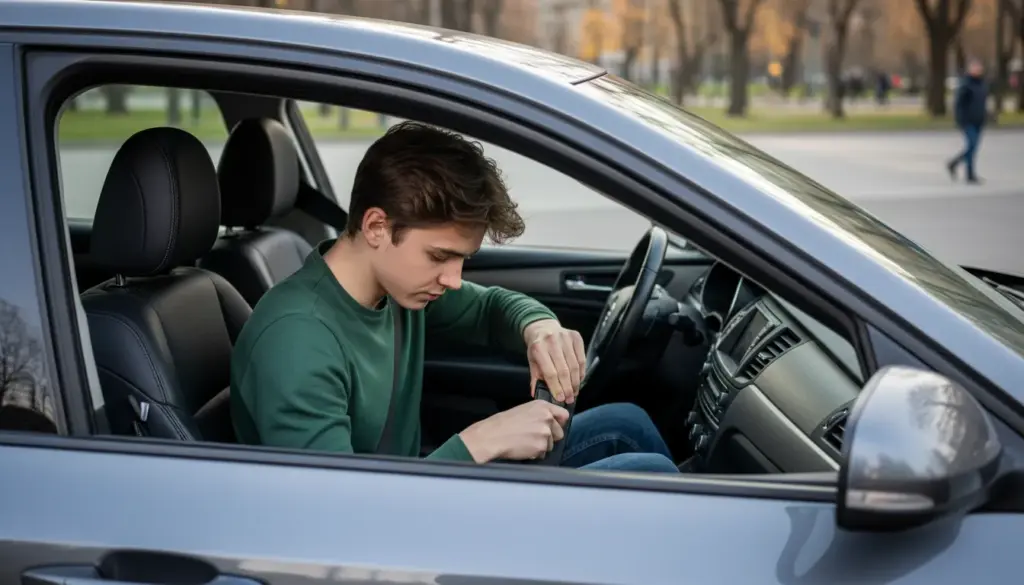
Seat belt use among teenagers remains worryingly low. Only 43.1 percent of high school students wear seat belts when riding with someone else. To tackle this, some vehicles now include a feature called Buckle to Drive. If the driver tries to shift out of park without buckling up, the system blocks the shift for twenty seconds and gives audible and visual alerts. It is a small delay, but it builds a powerful habit. The car simply refuses to cooperate until the most basic safety step is done.
Ford MyKey and similar systems from other manufacturers allow parents to programme specific keys for teen use. These smart keys can limit top speed, cap audio volume and trigger alerts at certain speeds. Some systems also activate gearshift or stereo interlocks when front seat occupants are not buckled in. The beauty of these features is that they work automatically. The teen does not need to remember to activate anything. The car knows which key is in the ignition and adjusts its behaviour accordingly.
Smartphone Tools That Extend the Safety Net
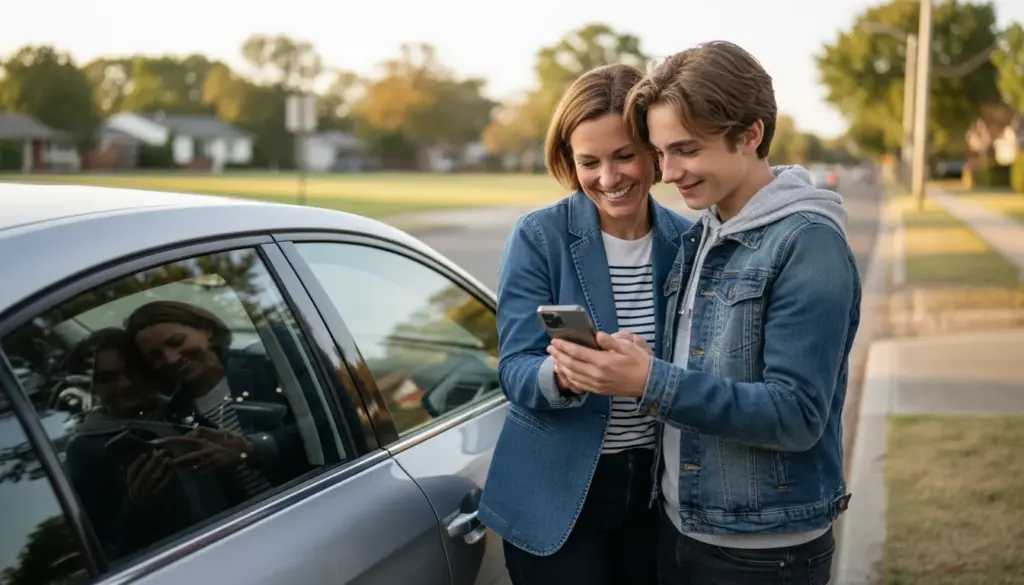
Parental control safe driving apps vary widely in how they work. Some run quietly in the background and send a summary after each trip. Others send immediate notifications if the car exceeds a set speed or leaves a defined area. The best approach for most families is to start with a simple system and review the data together once a week. The goal is not to create a surveillance state inside the car. It is to give a new driver honest feedback about habits they may not even notice they have.
What to Look For in a First Car
When shopping for a first car, safety technology should sit near the top of the checklist. Built-in systems can help new drivers form safer habits even when parents are not in the vehicle. Features such as speed alerts, volume limits, and in-vehicle report cards let families track performance and spot areas for improvement. Seat belt reminders and automatic braking add another layer of protection for inexperienced drivers. Here are the features that matter most for a new driver.
- Electronic stability control, which is now standard in most modern vehicles and helps prevent skids on slippery roads.
- A rear vision camera, which makes reversing out of driveways and parking spaces dramatically safer.
- Automatic emergency braking, which can slow or stop the car when a forward collision seems likely.
- Blind spot monitoring, which warns about vehicles hiding in the hard-to-see zones beside the car.
- Lane departure warning, which alerts the driver when the car drifts across a lane marking without indicating.
- A teen driver mode or smart key system, if available, to set speed and audio limits automatically.
- Good crash test ratings from official safety authorities, which reflect how the vehicle protects occupants in a real impact.
Building Habits That Outlast the Technology
Technology can set limits, but it cannot teach judgment. A speed alert tells a teen they are going too fast. It does not explain why that speed is risky on a wet road or in heavy traffic. That is where parents and driving instructors come in. The best results happen when the car’s safety systems are paired with regular conversations about what the driver experienced. Ask about near misses, confusing junctions and moments when the car beeped or braked. Those small discussions turn data into understanding.
In the Gulf region, driving conditions add their own challenges. Sudden fog, sand on the road and very high summer temperatures all affect how a car behaves. New drivers need to learn that a speed limit is a maximum, not a target. They need to understand following distances in fast highway traffic. And they need to see the car’s safety systems as support, not as a reason to take more risks. A car with automatic braking is not an invitation to tailgate. A blind spot monitor does not replace a proper shoulder check.
The most valuable safety feature in any car is still the person holding the wheel. Teen-specific technology helps by reducing the chances of a single bad decision turning into a tragedy. It gives parents a clearer picture of what happens when they are not in the passenger seat. And it gives new drivers a chance to build good habits before those habits become permanent. The car can coach, warn and sometimes intervene. The rest is up to the driver, and that is exactly how it should be.